How to Avoid Jet Lag and Fly With Kids
Arrive rested, and fly calmly with little ones.
Ask Mister Travel a QuestionComfort questions are among the most searched of all: how to avoid jet lag, and how to fly with a baby or young child. Here is practical, sourced advice for both.
On this page:
How can I avoid jet lag?
Short answer: Shift your sleep before you leave, use daylight to reset your body clock when you land, and go easy on alcohol, caffeine and long naps.
Jet lag happens when your body clock is still on home time after you cross several time zones. It is usually worse flying east, because you have to fall asleep earlier than your body wants.
- Start before you leave. For a trip east, go to bed and get up a little earlier for a few days beforehand; for a trip west, a little later.
- Set your watch to the destination on board, and sleep or stay awake on the plane to match. On overnight flights to Europe, eat lightly and try to sleep as soon as you can.
- Use daylight. Light is the strongest signal to your body clock. After flying east, get outdoors in the morning; after flying west, get light in the late afternoon and evening.
- Live on local time from day one. Eat meals at local times. If you must nap, keep it short and before mid-afternoon.
- Drink water, limit alcohol and caffeine, especially in the hours before you want to sleep.
Some travelers use melatonin or sleep aids; ask your doctor first, especially if you take other medicines. CDC Travelers’ Health has more advice on staying well on long flights, and our sister site Travel Is Safe covers health and safety abroad.
Plan an easy first day: a walk, an early dinner and no big decisions. Most people feel normal within a few days.
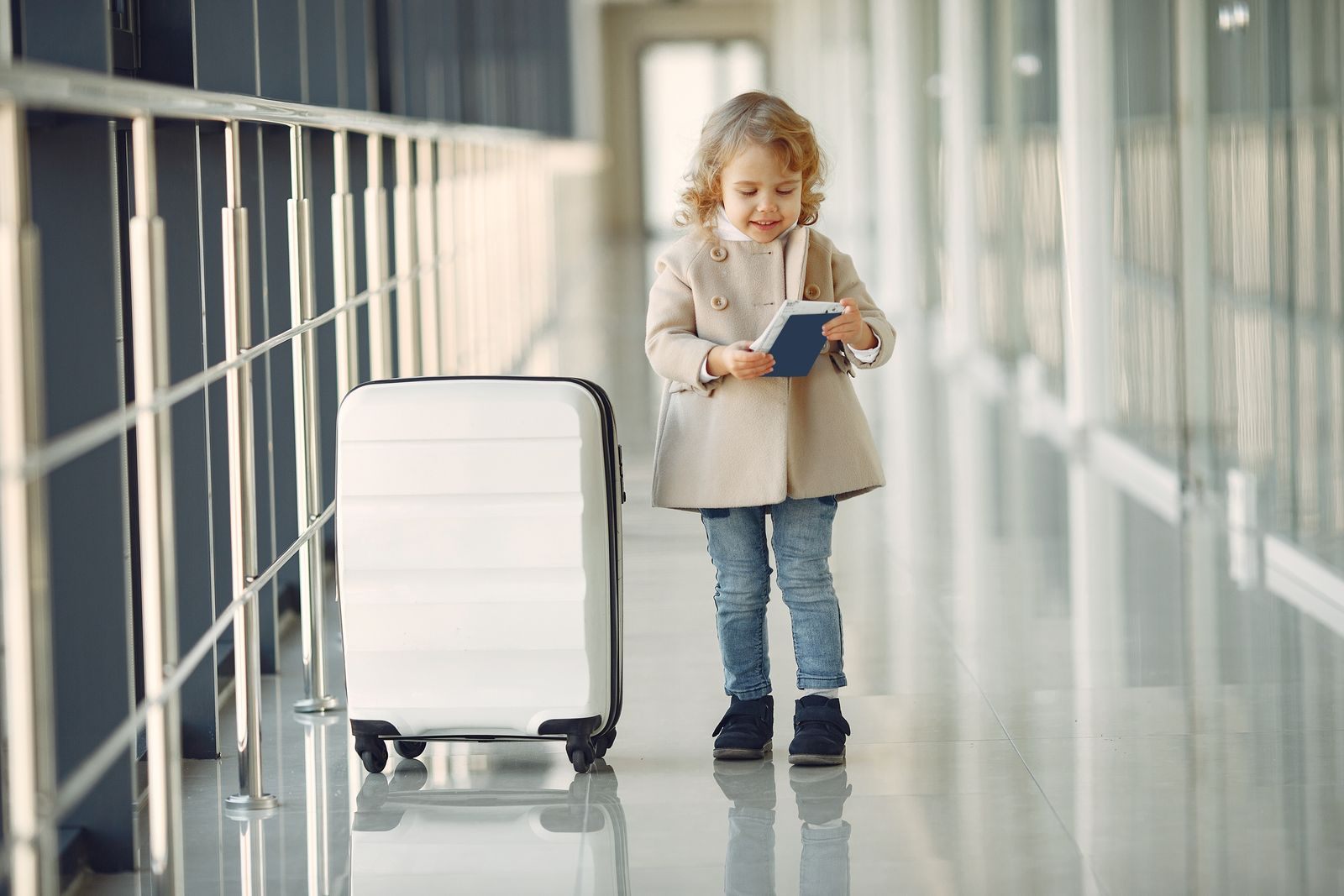
How do I fly with a baby or young child?
Short answer: Under-2s may fly on a lap, but the FAA recommends their own seat and an approved car seat. Formula and breast milk are exempt from the liquids limit.
Seating. Children under two may travel on an adult’s lap on U.S. airlines, but the FAA strongly recommends buying them their own seat and using an approved child restraint: a car seat labeled as certified for use in motor vehicles and aircraft, or the FAA-approved CARES harness for children of 22 to 44 pounds and up to 40 inches tall. See the FAA’s Flying with Children page. Security. Formula, breast milk, juice and baby food are allowed in reasonable quantities above 3.4 ounces; tell the officer, and they may be screened separately. Strollers and car seats go through screening or can be checked at the gate. Children under 18 traveling with an adult in the U.S. do not need ID for TSA. Documents abroad. Every child, including a newborn, needs his or her own passport for international travel, and passports for children under 16 require an in-person application, normally with both parents. If only one parent is traveling with a child, carry a signed consent letter from the other parent; border officers may ask for it. On board. Book a seat near the front or a bulkhead, board when families are invited, and give a bottle, pacifier or snack on takeoff and landing to help little ears. Pack a change of clothes for the child, and one for yourself, in your carry-on.Long-Flight Comfort
Get up and walk the aisle every couple of hours when the seat-belt sign is off, flex your ankles while seated, drink water, and dress in layers. People with a history of blood clots, recent surgery or pregnancy should ask their doctor about long flights before they go.
Have a Different Travel Question?
Ask Mister Travel personally. Every question is answered personally by email. Some questions and answers may be published on this site (without your name or email); most are not.
Family Trip? Get Expert Help
A specialist can find family-friendly flights, connecting rooms and kid-friendly tours. Get free quotes.
Get Free Trip Quotes